Posts tonen met het label Vision. Alle posts tonen

dinsdag 3 juni 2014

Pakistan en de Metafoor van de Olifant in de Duisternis

In een heel ver land brachten enkele wijze Hindu’s een olifant in een donker huis. Vele mensen gingen het bekijken, maar ze konden de olifant alleen in de donkere stal zien. Ze mochten de olifant aanraken. Daarom vormden ze een beeld van de olifant op een tast. De ene persoon voelde  alleen de slurf en zei dat een olifant op een waterpijp moest lijken. De andere raakte de oor en vergeleek het dier met een lappendeken. De andere raakte de poot en zei dat de andere personen mis waren. „Het lijkt op een pilaar”. De andere raakte de rug en zei dat de olifant zoals een troon is. Iedereen hoorde elkaar praten, maar toch bleven de meesten vasthangen aan hun eigen geloof. Sommigen verwerkten wat ze van anderen hoorden, maar niemand kon helemaal beschrijven wat een olifant is…
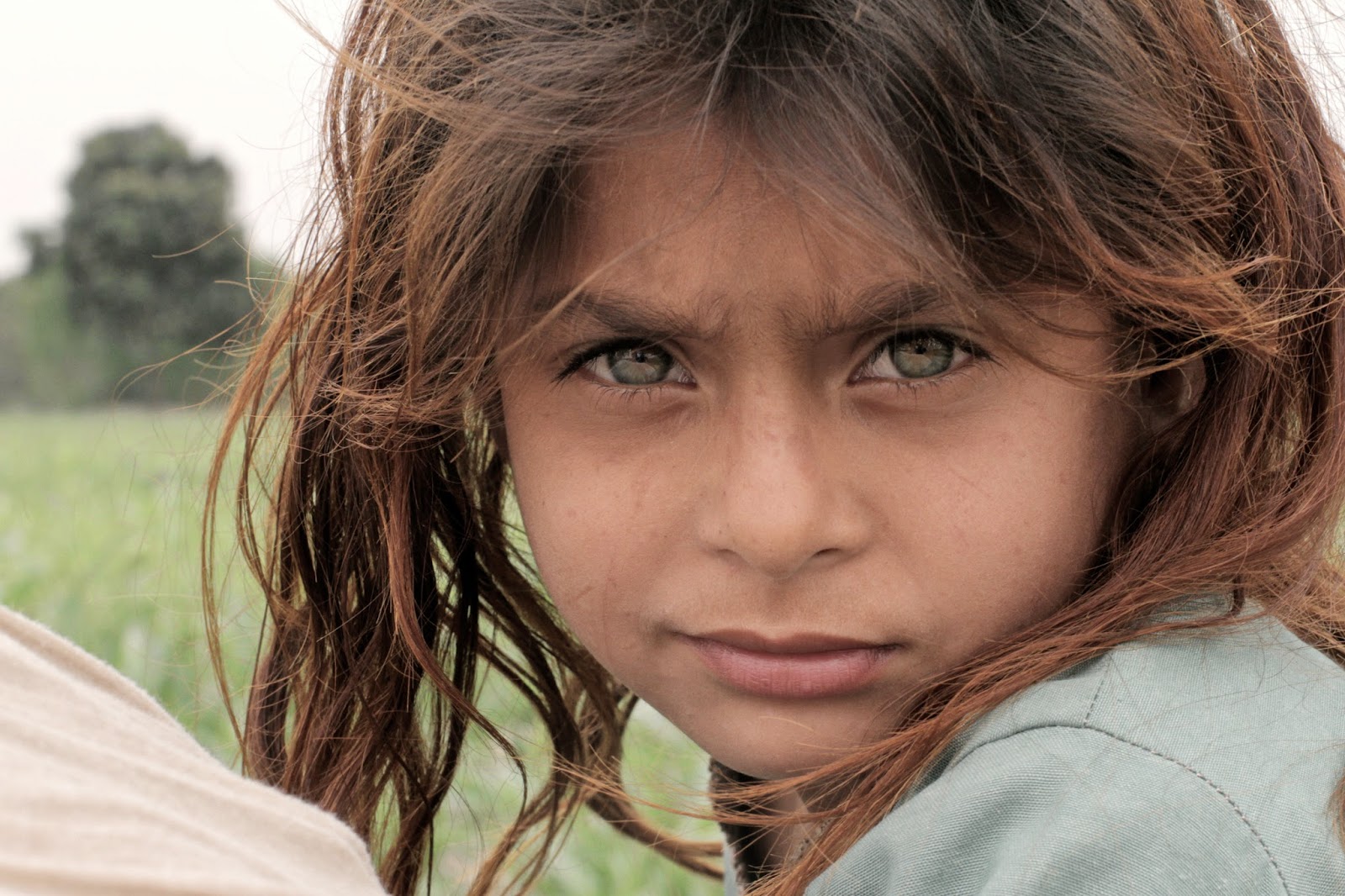

Sinds ik zeventien ben, is deze parabel van Rumi, de bekendste sufi in het Westen, een van mijn lievelingsverhalen, omdat het aantoont hoe ver de meeste mensen van waarheid zijn. Onze leerkracht had andere leerlingen en mij met dit verhaal laten kennismaken als inleiding tot een project over wereldgodsdiensten dat we moesten maken. De absolute waarheid is als de olifant. Elke godsdienst is de aanraking van de olifant in het donker. Sommige mensen zoeken heel hun leven naar het totaalbeeld van de olifant, naar de algemene waarheid, maar slechts weinigen begrijpen dat ze vooral met hun hart, en niet met hun ogen, moeten zoeken.  
Ook ik ben op zoek… Nog steeds. Zelfs als je openstaat voor een plaats, een persoon, een ervaring... zijn er nog zoveel andere verhalen die ontdekt kunnen worden... 

Pakistan in het Donker
Bijna twee jaar geleden maakte ik kennis met een jongeman uit Pakistan. We studeerden allemaal in een internationale filmschool in Praag, Tsjechië. Ik wist helemaal niets van Pakistan, behalve dat ze Osama Bin Laden in Abbotabad hebben gevonden en dat het door Taliban geteisterd worden. Geen enkele vezel in mijn lichaam dacht er aan om dit land te bezoeken, ook al hou ik van reizen en avontuur. Pakistan leek me een kil, gevaarlijk land waar elke vorm van liefde onderdrukt wordt door burka’s, gedwongen huwelijken en extreem-conservatieve zelfmoordaanslagen. 
Dat is toch het beeld wat de media mij gaf. 
Wij werden vrienden. We deelden niet alleen een passie voor film en reizen, maar voerden ook gesprekken over verschil tussen de „Orient en de Occident” en existentialisme, waarvan sommigen overvloeiden naar een discussie, anderen in stilte vervielen en enkelen een glimlach bij ons ontlokten. Dankzij hem ontkiemde het idee om Pakistan aan mijn lange lijst toe te voegen. Het leek helemaal niet zo gevaarlijk. Integendeel… Zijn verhalen deden aan mijn stage op het Zuid-Turkse platteland denken waar tandeloze oude vrouwtjes mij komkommers en tomaten gaven, herders mij en mijn vriendin op hun kar vol geiten een lift gaven of de vele boeren die haar en mij op een warme glimlach, een basisles Turks en thee trakteerden.
Een jaar nadat onze paden waren gescheiden, kwamen onze paden in de Pakistaanse stad Lahore terug samen. Mijn verblijf was veel te kort, maar ik zag de contouren van de olifant uit het verhaal van Rumi. Ik deed ook aan couchsurfing en zag het land niet alleen vanuit de ogen van mijn oude vriend. Deze vele ontmoetingen en ervaringen brachten wat meer licht zodat ik de onbekende schoonheid van dit land zag. Ik zag ongelooflijk mooie architectuur, beleefde geweldige avonturen met landverschuivingen, leerde meer over de schoonheid, de waarheid en de vrijgevigheid in de religies daar en ontmoette de meest gastvrije mensen. Ik ben verslaafd geworden aan chai. Bijna twee maanden later, in België, bestel ik nog steeds chai latte, als ik kan. 
Er zijn ook andere ervaringen, die een andere kant van Pakistan tonen. Een straat oversteken kan een nachtmerrie zijn, daarnaast moet je oppassen dat je niet van blasfemie beschuldigd zal worden en mijn planning werd vaak onderbroken door het gebrek aan elektriciteit. Dat laatste was misschien soms goed voor een meisje dat van een wereld komt waar je constant bereikbaar bent en overwelmd wordt met informatie. Hoe meer mensen ik echter sprak in Pakistan, en hoe meer ik observeerde, of meemaakte, hoe meer ik echter realiseerde dat het te moeilijk is om dit land samen te vatten. Ik weet alleen dat het meer is wat Malala, soldaten en journalisten ons vertellen. 


Een aantal foto's, zoals hierbovenstaande, zijn intussen op een website van de grootste Engelstalige krant van Pakistan gepubliceerd: http://www.dawn.com/news/1107919

zaterdag 8 maart 2014

Inspirerende Verandering - Internationale Vrouwendag 2014


bron: www.internationalwomenday.com
Elk jaar - op 8 maart- wordt de wereld herinnerd aan de strijd en gevoel van solidariteit van vrouwen door Internationale Vrouwendag. Deze dag bestaat al sinds 1917, wanneer vrouwen opkwamen voor hun rechten, o.a. op gebied van arbeid en kiesrecht. Denk maar aan bekende suffragettes zoals Emmeline Pankhurst. Pas in 1948 kreeg ook de vrouw kiesrecht in België. Toch worden vrouwen en mannen nog steeds niet op gelijke voet geplaatst. Equal Pay Day stelt immers het loonverschil aan de kaak. In hun straffe campagnevideo's leren we o.a. dat alleen in de pornoindustrie vrouwen even veel betaald worden als mannen. 


Enkele jaren geleden lieten ze bomma's dansen op een sexy manier (Miley Cyrus krijgt concurrentie) om duidelijk te maken dat vrouwen langer moeten werken omdat ze minder verdienen (en kunnen sparen). 


Je hebt verhalen... en je hebt feiten...

Uiteraard geloof ik dat naar zoveel mogelijk verhalen en perspectieven geluisterd moet worden voordat je de waarheid misschien begint te kennen. Als een goede geograaf heb ik ook de statistieken geraadpleegd. Uiteraard moet je deze ook altijd met een korreltje zout nemen. Meeste cijfers zijn gebaseerd op kwalitatief onderzoek, dus op verhalen. Bovendien ben je niet in staat elk verhaal te verzamelen. Het is maar een steekproef. Toch geloof ik dat verhalen en cijfers elkaar kunnen bekrachtigen. 

Ik heb me zelfs tot de statistieken van Europa beperkt, want vrouwenongelijkheid in een ontwikkeld continent als Europa moet toch miniem zijn? Volgens het EIGE (European Institute Gender Equality) is er nog steeds ongelijkheid. 


bron: http://eige.europa.eu/content/gender-equality-index
De Gender Equality Index is een meting en product van verschillende factoren. Daarbij worden naar 6 kerndomeinen gekeken: werk, geld, kennis, tijd (trade-off tussen tijd gespendeerd aan werk, zorg van anderen en persoonlijke tijd), macht en gezondheid. 

Geen enkel domein scoort 100/100.

Het algemeen gemiddelde voor de EU is 54,0. België scoort iets beter met 59,6, wat nog steeds bijster slecht is. Nederland heeft 69,7; UK heeft 60,4, maar de economische reus Duitsland (met een vrouw aan het hoofd) heeft maar 51,6. 


Vrouwelijk geweld

Ook wordt bij de EIGE gekeken naar "discriminatie" en "geweld". Deze twee laatste domeinen zijn moeilijker te begrijpen. 

Na de groepsverkrachting van twee minderjarige meisjes door mannen uit Willebroek en Puurs (rond Valentijn) waren bleek hoe weinig vrouwen effectief aangifte doen na een verkrachting. Daarom is er ook een grote nationale campagne rond verkrachting. Mariona Smets, ooit bekend van de televisieserie Wittekerke, was zelf een slachtoffer van seksueel geweld geweest en heeft er een lied over geschreven. Soms zijn stiltes goed, maar alleen als je goed voelt in die stilte. Ik kan me niet voorstellen dat een verkrachting in stilzwijgen bewaren jou of andere vrouwen helpt. Hieronder zie je een video hoe en waarom Mariona aan het lied begonnen is. 


Thema 2014: Inspirerende Verandering

Elk jaar is er een ander thema. Dit jaar gaat het over verandering. Op de website "internationalwomanday.com" wordt ook gelijke behandeling en herkenning voor vrouwen in de kunstwereld aangehaald. Als videomaker is dit voor mij ook een persoonlijke kwestie. Als ik voorbeelden uit de filmwereld moet aanhalen, zijn dat meestal mannen. Echter, als ik nadenk over welke personen bij mij de passie hebben aangewakkerd om verhalen te vertellen die voor verandering kunnen zorgen, zijn het twee vrouwen. 

bron: facebook.com/ramitanavai
Als tiener zag ik een reportage van de Britse journalist Ramita Navai, een dappere vrouw met Iranese afkomst, over drugsverslaafde kleuters in Afghanistan. De enige fanbrieven die ik heb geschreven in mijn kindertijd waren aan Sinterklaas en haar. 
Ik wou net zoals zij "unreported stories" vertellen in de hoop dat mensen hun eigen leven relativeren, zullen beseffen dat elke persoon een held is in zijn eigen verhaal, en zich niet laten tegenhouden door stereotypen om andere mensen, ongeacht geslacht, geloof, culturele achtergrond... te helpen. 


Een andere vrouw die me in mijn eerste studentenjaren heeft geïnspireerd, en nog steeds inspireert, is de Nigeriaanse auteur Chimamanda Adichie. In een TED-talk vertelt ze over het gevaar van "een verhaal". Mijn missie en visie die op een pagina van deze blog zijn neergezet, besef ik jaren later, zijn op haar speech gebaseerd. In deze 20 minuten vertelt ze op een leuke manier hoe media met een verhaal Afrika samenvat en daarbij veel andere mooie facetten van Afrika vergeet. 


Er zijn nog andere vrouwen die de wereld (voor mij) veranderd hebben. 
In een van de volgende blogs zal ik meer schrijven over Alice Guy Blaché, de eerste vrouwelijke regisseur. Door het kickstarter project "Be Natural" ben ik met dit onderwerp in contact gekomen. Ik was zo geïnspireerd dat ik een kleine bijdrage heb gestort en kijk uit naar de documentaire over deze pionier. 


Positieve verandering
De Chinese taal bestaat uit pictogrammen. In een van de dialecten is een mooie evolutie van het pictogram dat de vrouw voorstelt. Er is dus een zekere verandering zichtbaar, maar er is nog een lange weg. Er is nog een kloof tussen plannen en implementatie, tussen papier en werkelijkheid, tussen het loon van een man en een vrouw... 

Ik sluit af met een anekdote van Gloria Steinem over het verhaal van de vrouw: 


"The story of women' struggle for equality belongs to no single feminist nor to any one organization but to the collective efforts of all who care about human rights"? 

dinsdag 11 februari 2014

inside outside

bron: instagram.com/wendiertje89
Enkele jaren geleden eindigden andere vrijwilligers en ik in een sloppenwijk op een strand in Ghana. Het was onze eerste dag in Afrika. We hadden een strand verwacht, maar tot onze ontzetting vonden we helemaal iets anders. Ik herinner me nog hoe ik besefte dat ik zo niet klaar was om armoede te zien. Ik was juist 20 jaar oud. Een man van deze wijk won ons vertrouwen en leidde ons rond. Zijn naam was Emmanuel. Meer tegen het einde van de heel interessante en vooral confronterende wandeling toonde hij zijn huis. Ik was zo verbaasd dat er niets te zien was. Alleen een bed. Het stond zelfs tegen de muur. Emmanuel vertelde ons dat zij niet zoals Westerse mensen hun huizen van binnen decoreren met alle spullen die ze kunnen komen, omdat ze binnen leven, geïsoleerd van elkaar, maar dat Afrikanen buiten leven, in een gemeenschap. De ijskast stond buiten, en werd door iedereen in die straat gedeeld. Daarin werden de cola's bewaard. 

Deze herinnering kwam onmiddellijk in mijn hoofd wanneer ik tijdens de Leadership Summer School in Bulgarije hoorde over UseTogether. Mensen posten op deze website welke spullen ze kunnen uitlenen, en kunnen ook spullen lenen bij andere mensen, of elkaar dingen aanleren, of gewoon spullen omruilen. In plaats van te consumeren en al die spullen bij te houden die toch alleen maar in de weg staan van je huis kan je iemand anders er blij mee maken. Het woord "Together" benadrukt nog eens het sociale aspect. Misschien moeten we eens naar onze zuiderburen kijken -of naar enkele verhalen in Afrika, want het zijn niet allemaal delende community-mensen-, en minder consumeren, en gewoon naar buiten gaan en leuke momenten en spullen met elkaar delen.    


(http://www.usetogether.com). 


Het is gloednieuw, en nog niet zo bekend in België en Nederland, maar ik geloof dat deze trend wel eens in de voetsporen van Couchsurfing kan volgen. Deze start-up is geboren in Roemenië, waar mensen ook niet zoveel geld hebben als bij ons. Toch kijk ik naar alle rommel in mijn huis, en vraag me af wat ik nodig heb. Mijn nicht wil een vintage/koffiebar/shop/fotografiezaak opstarten in Lier, en zelf ben ik van plan heel wat spullen weg te geven... omdat ik het niet nodig heb... maar haar wel dichter bij een droom brengt. 

In de wereld van consumptie telt geld, maar in de wereld van geluk telt een glimlach die je op het gezicht van anderen en jezelf tovert. 

Hoeveel spullen geef jij soms weg, ruil je om... zonder dat er consumptie (tijdens of later) aan te pas komt? Laat het me weten in een reactie!

dinsdag 14 januari 2014

Terug naar de roots


Hoi allemaal,

aanvankelijk dacht ik dat ik met Engelse teksten meer publiek zou bereiken, maar eigenlijk voel ik meer en meer aan dat ik beter in mijn eigen moedertaal zou schrijven. Daarom heb ik besloten om voortaan Nederlandse posts te publiceren (of Vlaams-Nederlands). Alleen voor reisverhalen zal ik soms een uitzondering maken, omdat ik deze graag deel met reisgenoten, die vaak uit andere landen komen.

Ik ga minder kortverhalen publiceren, maar vooral korte berichten posten over mijn passies en andere dingen die mij bezighouden en waarde geven aan mijn jonge leven, zoals (eco)feminisme, ecologie, film, literatuur, filosofie, intercultureel dialoog en reizen, en mijn zoektocht naar een identiteit in deze ingewikkelde wereld vol sociale media en andere duizenden prikkels, waarbij ik probeer dromen, waarden en een carrière te kunnen samen smelten, en hoe al deze begrippen, van natuur, groei, feminisme en kunst elkaar kunnen helpen en versterken.  

Mijn voornaamste doel, namelijk stereotypen breken en taboes doorbreken, zodat kans voor meer begrip en dialoog gecreëerd kan worden, behoud ik echter nog, omdat dit een grote waarde is die ik heel diep in mijn hart en hersenen koester.

Bij deze aanpassing ga ik ook nieuwe tags, of labels, creëren.
* Kunst: Film, schrijven, gedichten, literatuur, schilderijen...
* Feminisme: blogs over ecofeminisme, rol van vrouwen in de maatschappij, trends, schoonheid...
* Natuur: ecologie, ecologische filosofie, paganisme, kruidenkunde, esthetische en spirituele ervaringen vanuit en in de natuur
* Intercultureel: reisverhalen, ideeën over intercultureel dialoog
* Groei: mijn persoonlijke groei, verhalen, en hoe ik opkijk naar de toekomst, en de trends


Ik ga mijn best doen om berichten te publiceren waarbij meerdere labels kunnen passen, om het verband tussen deze dingen te tonen, aangezien ik geloof dat alles met elkaar verbonden is.

Veel leesplezier (en vooral nadenkplezier)!  Ik wens jullie allemaal heldere sterren die elke nacht voor jullie heerlijk mooi verlichten, zodat jullie verre (innerlijke) reizen kunnen maken en dingen ontdekken die jullie anders nooit zouden zien.

vrijdag 6 december 2013

Song of Silence


Today I was reading about "SHIRDAKS", textile with symbols from nature, from KIRGIZIA. These symbols, stories... are called "the song of silence", because the women from Kirgiza don't need words, just their craft, to transfer stories to the next generation. 


This article inspires me to visit them one day, in the mountains, and "listen" to their songs. Central-Asia seems so interesting, and remote, and beautiful, and full of silence, which I sometimes miss in busy cities (and Flanders is 1 big city). (but I don't need to visit it soon; I like my new job haha)

They are very connected with nature... but I frown my eyebrows when I read a Dutch women exports this to Europe (and beyond). I think there is some ecological footprint in their craft... but I guess I should shut up, because I also leave some footprints by traveling. 


 I like their motive of the circle, with crosses, referring to the wind directions, but the circle referring to the fact you're always home, because wherever you go, you'll always bring yourself... and I think this idea suits nomads like them. Or other travelers, and explorers... or in fact everyone... who is connected.

Source & pictures: http://birgittadevos.nl/portfolio-item/verhalen-in-vilt

zondag 1 december 2013

The Moon & the Woman


The moon is perhaps the most ancient symbol of the Feminine. The association between the changing phases of the moon, the seasons of the year and the life cycle of woman as virgin, mother and old woman or crone is the foundation of a mythology inspired by the experience of the moon as an image of the unfathomable mystery of life. The triune goddess is one of the earliest images of the divine. 


The moon was the greatest stimulus to the human imagination and a focus for contemplation, helping people to create a relationship with the invisible dimension of life.


~ Ann Baring 


------------------------------------------------------------------------------------------------------------

There are so many texts, poems and other literature using the moon as symbol of the Feminine, that it almost seems so pointless to write another text about the connection between this habitant from the sky, and our own body. Until... Last weeks, in my free time, during different train rides, my mind was part of the Budnitz' world of "If I Told You Once". It is a book about 4, maybe even 5, generation of women. The grandmother, Elena, is an amazing story teller, who tells stories as a sort of education, to make the women in the generations after her wiser, so they will not make the same mistakes. If she succeeds, I will not say. It is better to read this book, which tells, in sometimes a metaphorical, sometimes a raw way, more about being a woman. 

(c) Goodreads, one of my favorite sites

They say the fairytales were in their original version more horror stories, full of dark shadows and things I better cannot write public. People talked a lot with each other, told stories, used symbols... to try to explain, try to educate... so why not share all these texts about so primordial stuff like the connection between the moon and the woman. Maybe, one day, like Elena, I will help someone to make her more conscious about the linkage between her energy level, emotions and the moon. 

donderdag 28 november 2013

Travumentary: to inspire, not to educate


A friend and I left Belgium for 2 weeks to explore Israel, a place which inspires many people, looking for answers, and also ended up in Jordan, totally not planned.

I documented this travel, not to tell a story, or to give the answers I found, just to let people feel my experience, because visuals can say more than billion words. It is also an invitation to find your own story or answers.

Documentaries record events, facts... with the purpose to educate people. Travel promo films have the  purpose to make from people tourists, while I don't want people to be tourists, and look at cultures and countries as a far-from-their-bed-show. I also don't want to force a belief, or some facts... on people, because I think every person can educate himself. There is some freedom in real education.
So... I made the concept of Travumentary.

I wouldn't call this a documentary, or a promo film about Israel (and Jordan), but rather a TRAVUmentary: documenting a travel experience, to inspire people to travel more
... because traveling is exposure, and exposure is education, and education creates chances.

Here is a first version of my travumentary about Israel (and a bit about Jordan):

Watch here "Sunset in the Middle East"


dinsdag 26 november 2013

Divine Images


“What would have happened if the aesthetic standard of our society had belonged to the collective unconscious of the great artists of the past?” the Italian artist Anna Utopia Giordano wondered. 
She took famous classic nude beauties of art history, and photoshopped them, like these pictures were going to used for advertisements of covers you'll find nowadays. There are standards in the world, accepted, about female beauty. These standards weaken the woman a lot, because it makes a difference between women. You cannot be beautiful if you attain these standards. Is it healthy? Is it possible for every women to become like the photoshopped ideal? 


It is kind of interesting to know how standards can poison the self-esteem of many women. I don't want to describe myself as the ideal or perfect woman, in all my Belgian modesty, but... sometimes I wonder why not. I look more to the left woman than the right. In some periods I would be the muse of many artists. Do I just have bad luck I am born in the wrong period? 

Since childhood I look to much into the mirror, trying to change myself, my body, in something else, something others want to see. I did a lot of sports. I had a period I ate only fruits for breakfast. And I lost weight... but still, even I had a more healthy BMI than ever, got a good physical condition, I thought I was too fat. The Romans had this expression: Mens Sana in Corpore sano. A healthy mind in a healthy body. It can go both ways. Even if you have a healthy body, a beautiful body, you still can feel miserable, and weak, and ugly, because the mind is tricked. It is maybe weak to let my mind trick me, but if you already as child are brainwashed by all the stereotypes of beauty you see on magazines, television, films... you wonder why so many women are feeling bad, and ask their husband -as in this famous cliché- or their ass looks to fat in this dress. 


Two years ago I went to Thailand, in a period when I I felt bad about my own body, my relationships, or the lack of relationships... also partly because I got recently dumped by a guy which I thought was going to be someone more. I went to Koh Phangan, and decided to take yoga, because "yoga people all look so happy, and ... he... maybe this can help me to make me stronger and happy, you know".  
I promised myself to subscribe for the closest yoga center in my neighbourhood. When I came back from the 7/11, with my bags full of groceries, I bumped into a notice board of a yoga school. I came closer, and my mouth felt open... when I discovered it was a tantric yoga center, and ... more... they were going to give a tantric sex workshop of a week about 2 days. I hesitated in these 2 days, because... is this not bad for a Catholic prude girl like me... but on the other hand... nobody knows me. So, in the last moment, I went to the yoga school and attended the lectures and yoga classes. Don't expect stories which would even blush Samantha from Sex and the City. It was more innocent. One of my big eye-openers was the quote of the lecturer that many women forget to really watch to classic paintings where goddesses, the ultimate beautiful women, are portrayed. Aphrodite, Venus... are not models with size 0, no, they have curves, and love-fat. They are mothers of Eros,  and still thousands of men, from beggars via artists to kings, worship them, because... this woman is a goddess, and knows everything about love, her fertility, desires... and uses what she has to gets what she wants, and Aphrodite, if you know your Greek myths, she mostly gets what she wants. 
Real beauty cannot be captured by physical features, because they change according to the standards made by time and culture, but real raw beauty you can find in any woman who founds divinity in who she is, and knows how to use it. 

So... for me both paintings, the one with the more curvy woman, or the more slender lady, are both beautiful, in a different way divine. 

source inspiration: Flavorwire 
source pictures: Anna Utopia Giordano  

vrijdag 15 november 2013

The Religion of Traveling, pt 4: Hospitality and other Treasurers from Jordan


During the weekend my friend and I explored Jordan. We were quite nervous . We expected many troubles and security checks at the border, and some strong big guy asking 1001 questions when we wanted to enter Jordan, but after crossing a border (with signs « there are mines » and sniper towers... ok this was a bit scary) we were welcomed by two custom officers, who said our host was a lucky guy, and asked us : « do you've something delicious for us ? » They were joking, and did not refuse to be on the picture with my friend. 

After waiting in the shadow, among taxi drivers, our host picked us up in his very nice blue jeep. He is an owner of a travel agency. He is an intense guy, with a warm heart, and showed us a lot of hospitability. He took us to a camp in the desert, where we danced with children and students from an university in Amman. He took care we could sleep in one of the tents, and got a great breakfast, like in a real Lawrence of Arabia movie. You know... The same day he took us into the Wadi desert, to show the house of this guy, stone bridges, showing his driving skills, which gave us a lot of adrenaline rushes, and brought us to Petra.

And yes... Petra... it deserves the label of a World Wonder ! Here is a picture of the Treasury. The only annoying part was the hassling: you will not find much peace, when you walk on the main road, because everybody tries to convince to take their horse, donkey or camel. 
But... it is all worth it. 
My travel buddy was laughing, because I was so amazed by all the geology. I couldn't stop filming, or taking pictures. The whole way to this famous typical postcard building (the Treasury) is Al-Siq, and is just a cooler alley in history, archeology and geology, and will take away all your breath. When you cross the Treasury, you'll come in more open space, and can admire the tombs, or ascend for one hour more to the Monastery, the second famous building.

We drunk tea with a woman in her tent, who invited us after to buy souvenirs, but we could leave without buying, and had instead a nice talk about her children (she got her first child when she was 13y old). We also talked with a bedouin guy. In Petra, apparently, you have bedouins and gypsies. The last group spoil the good reputation of bedouins, who would never ask money, like our host, who never asked money for anything, and even was offended when we wanted to pay. The tourism kind of spoils the people. Both groups tell bad gossips, to take tourists away from their rivals, so when hearing different stories like "they told I raped women, but I don't. It is just because they are jealous", which all went about how tourists are lured into loosing money or having sex, I don't know who to believe. I think it is very interesting to spend one month, with the bedouins, observe them, see how they found a symbiosis between modern technology and their traditional way of living in tents and the desert, and who they really are, behind the mask they wear when they try to sell souvenirs, or their donkeys. I cannot judge. I haven't been long enough in Petra, to understand what is really going on. In the end, my friend and I walked back, and saw how all the people packed their stuff, became more relaxed, and didn't talk anymore to us. It kind of gave us proof they have two different personalities: one for the tourists, and one for themselves. I think the best thing I can do as outsider is to have respect for BOTH personalities. Because... I also have different masks in my luggage. 

zondag 10 november 2013

The Religion of Traveling, pt 3: Beauty & the Dead Sea Beast


For 3 full days and 4 nights, my friend and I were couchsurfing in Ein Gedi Kibbutz, which is one botanical garden. The atmosphere is totally different than in busy Jerusalem. While the latter is more a heavy Bach symfony, this place is more a Manu Chao song.
People share, know each other (in this small community), walk sometimes barefoot, all look free men, and not bound by religion. It is like living in the free paradise described in the famous book « the beach ». There are giant baobabs everywhere, and there is also some plant. Our host, a very easy-going guy, known by everyone, took us on the first evening already to a small look out point which is built out of respect for a dead friend, and under the stars he let us make music by drumming on some wind catchers. He also taught my friend about aloevera, which is everywhere. « It is almost like garbage in the botanical garden, » our host told her. My friend already took almost a whole plant, and put it in the fridge, because the sap of the plant can cure mosquito bites (which started to occur, when we went more southwards).


One day we visited the Dead Sea. Floating in the lowest place on Earth, is apparently very healthy. We got for free in the spa. No way how we did it. Or maybe a bit. We just ended up on the beach, in fact, not in the real spa, were floating there, and covered ourselves in mud. Everything for eternal youth, I guess?


The day after our host took us to Masada Fort. Very early in the morning my friend and I hiked up via Snake Path (name is because of the shape, not because it is full of snakes ; otherwise I would never take it), when the sun came up, and for many hours we enjoyed the history and archeology. While my friend dived in all the information, I dreamt how I would make an amazing romantic historical epos about the siege by the Romans, which ended when all the Jewish rebels killed themselves and their families, because they rather wanted to be free than slaves. I already decided to take a lot of epic helicopter shots, because the landscape is stunning : The salt, tectonics and the dry climate shaped some amazing features in the rock. Of course I also would work a lot with shadows, being lines of prison, to emphase the Jewish rebells were stuck. Yes, I can see this movie. I only need a good story, about love (maybe forbidden), and oh yes... money.

In the evenings and some mornings we share really interesting conversations with our host. He talks about his experience with the real religious people in Israel. We didn't know the religious people don't pay any taxes, and only pray. They got a lot of money from the government. In Antwerp, we've got also religious Jewish people, and they are quite isolated from the rest of our population. To be honest, I don't know anybody who has friends from that small island in my city. The religious people also don't go to the army, and our host claimed they were maybe the biggest enemy of the state, because they have their own court and rules. Sometimes, I wonder, what is Israel ? Also, in Jerusalem, we, or in fact my friend who read a lot about the coloniation of Israeli's in Palestine territory, had some discussions with our host, and although my friend likes to find strong arguments to make an opinion, I am still confused what to call Israeli, or what not. Jerusalem is totally different than Ein Gedi. In Jerusalem I couldn't relax, in Ein Gedi immediately, to give an example. In Jerusalem you've to dress like a penguin, here in Ein Gedi you can wear just your bikini... still... it is the same state, nation ? It is very interesting to hear stories, opinions... but at the same time so confusing.

On our third day, we went to the nature reserve. We hiked up via water fall to a look-out where we could admire the Dead Sea. My friend and I split up ; she wanted to refresh herself, and wanted to hike faster, while I wanted to take many pictures and footage. In the end, I hitchhiked with a guy, with his jeep full of yellow spots, with his hyperkinetic dog, the Dead Sea Beast I call it, who tried to push me out of the car. Or it seems. The dog was jumping to everything and everyone. When my friend and I were waiting for sunrise above the Dead Sea, and our bus to Eilat in the south, we met him back ; two times. He invited us to spend time on a local beach, but we had to move on. Our time in the Middle East is limited. The dog almost attacked my friend. He is quite a figure. Like our host. Ein Gedi is full of interesting relaxed people, all a bit quirky, but I love it.


I think these 3 days were full of nature, hiking, relaxing and beauty products. My friend and I bought enough mud to become real princesses with shining hair, but maybe it is not a good idea, because in the next days we go to a more « conservative » country. I don't know Jordan is very strict, and we'll have 'female traveler's problems ', but still... we don't know anything about the country, apart from the fact you can find Petra, one of the new World Wonders, there, and the idea it's the heart of the Middle East (neighbours are Syria, Iraq, Saoud Arabia...). We've got an Couchsurfing invitation from someone from Petra. I wonder which song will remind me to these country. 

maandag 4 november 2013

Religion of Traveling, pt 2: What is Jerusalem?

My friend and I stayed for 3 days in Jerusalem, one of the most famous cities in the world. In ten minutes, we'll travel to the Dead Sea region for some hiking and exploring the healing powers of the lowest place on Earth, but first I want to write quickly about this city, which is one of the most intense places I have been. 


stilt from footage from the Western Wall, Jerusalem

So... Jerusalem... how to describe it? It is difficult. The best solution is just to ask you to meet my friend Google. He can give you 1001 different ways to experience Jerusalem. I am very sure. I love a challenge, so I thought about what is Jerusalem for me.

For some people, it is belief, for others it is history and archaeology, for more political involved people Jerusalem will be associated with the Palestinian conflict... 
I see Jerusalem as music for listeners who use more than only their ears. 

One of the most magical moment is when an amazing local young woman was our guide for some hours in the late afternoon, early evening. It was golden hour. We went walking down from Mt. Zion in the direction of the golden mosque. We saw a young man playing guitar for a young girl, on a wall, with Eastern Jerusalem (Arabic part), as a big grey background. We stopped. I made some footage (of course). And then all the lights went on, one for one, in this district, and then the big call for prayer filled the air. It all became one big music piece... all the religions, the beliefs, the colors, the symbols... 

Jerusalem is like a drum circle. You have different people, all with a drum, a message, and they all start to drum with different frequency, and maybe it does not sound right, but then the heart starts to give the rhythm... and then the heart of the circle, not from the individual, makes from all the sounds one melody, all the drums become in harmony, until it like one heart beat. It is amazing to believe that so different people, with different frequencies, habitants, pilgrims our tourists, all make one city. You cannot say you are from Jerusalem. You become part of Jerusalem's heart beat, and when my two friends and I were sitting there, listening to the call of the prayers, I felt I belonged there, in the heart of all these religions.

For me... belief is one of the most powerful tools. It does not have to be belief in a religion, but can also be hope for a better world, or belief in good things. Without belief things become very dark... 


Also, II'll edit all the footage I made, and make a small 4-5minute video, trying to explain how I see Jerusalem, in another way. I decided to choose for handheld, because the impressions are so intense, I feel fluid, shaky and short shots, or following people in alleys... are best representing my feelings of feeling a drop in a wild ocean. 


stilt from footage when walking in the Old Center of Jerusalem

donderdag 22 augustus 2013

Just a thought...


I ended once -by accident- in a slum in Accra, Ghana, 
and people were so friendly to show me and other volunteers around. 
They showed me their house.
I was so surprised to see that there was nothing inside. Only a bed. 
No table, or books, or decoration, no paint, no chairs, nothing...
I thought they were poor...
... and I wondered why they don't give these depressive walls some color, to bring sunshine in their life. So... I remarked that "there is not so much to see here..;"
They told us they are not like Westerns decorating their houses with as much as stuff they can buy, because Western people live inside, isolated from each other, 
but these people live outside, in a community. 
They do not need to decorate the inside. Whole their life happens outside.
Their fridge was outside, and was shared by all of the people in that "street" there, 
to keep the soft drinks cold.


Jamestown, Accra, Ghana 2009.
After reading about it, I proposed other volunteers to go there.
I expected to arrive on a idyllic beach, but it was a fisher's town/slum. 


Introduction


Some years ago I went to Ghana. I was 19, 20... and a bit more naive than I am at the moment. I wanted to explore Ghana, and I found an organization which organizes volunteering work, and decided to combine my wish for adventure with a cause, so I would go there "with a reason".

Ghana was promoted as Africa for beginners, because the people are very friendly, it is a bit more developed (or at least the capital) than most African countries, they speak English... Why I wanted to go to Ghana, is another story that would distract too much the message. Helping people was just a result, to cover the real reasons.

When I arrived in Accra, the capital of Ghana, I was really... shocked. Although I wouldn't call myself a racist, I expected slums, poor people without legs, garbage everywhere, crazy traffic, wild jungle with big trees, human-eating snakes and almost naked people... but I saw big boulevards, people in suits, big buildings...
Later, on that journey, I noticed garbage, poverty... I don't want to deny it, but I still remember how... disappointed I was, holding my cheap camera, and hoping to catch pictures of typical Africa I later could show to whole the world. Later, on that travel, I was embarrassed that African people could talk me under table (* I don't know if this is an English expression). Mother Africa taught me a lot.

Education can be simple. Pre-school where I volunteered, Agona Swedru, Ghana 2009


But... when I came back home, I told people what they expected to hear. I told them about the high toll of deaths in road accidents, about the trotro's, the vans where they try to use every square centimeter by putting as much as possible people it, and the poverty in the slums...
... I didn't tell about the development which was already present. I kept stories hidden. Why? I didn't do it on purpose. Only after talking with other people who went to Africa, following subjects at university like "Development coordination" and "problems of countries in development" by professor Develtere , as part of my study in Geography, maybe by meeting other Africans, by traveling more, and by reading more, even about mythology... I started to become more critical. Which stories, theories... are the right, or are they all right?

One day one of my good friends in Belgium let me watch the TED-speech by Chimamanda Adichie, a novelist from Nigeria, called "The Danger of a Single Story". In this video Adichie warns that if we hear only a single story about another person or country, we risk a misunderstanding. When she told how the media always use the same stereotypes, or "single story" to portray Africa, I time-traveled to that 19-20 year old version of me, who was disappointed that she couldn't take photographs of poor almost naked Africans. I realised  how I was trapped by the media, and worse... that I had seen other "stories" about Africa, and didn't share.

I was not better than all these people who use stereotypes to deny people from a certain country, culture, gender... give a job, an opportunity, because sometimes "these discriminating people" don't know better. I had the tool, namely a simple story, even more simple stories, to tell my environment, but I didn't. In the last months... I realize more and more that I want to tell stories about amazing people, share my experiences in the different cultures, which are not reported, or not told enough... and use media, not as a tool to simplify the truth, but to show the whole, the complexity of the truth... to make more people critical... so more misunderstandings can be avoided. Let us tell stories... to break stereotypes... to break taboos...

... so we can create chances.

A street in Accra, Ghana 2009. People don't look that poor... in this picture.
This is also not the best street. There are streets with really high buildings.
I'll write stories, and I'll do it in English. It is not my mother tongue, but it is my second language, and more important a language which a lot of people in the world can understand. There will be a lot of mistakes, and I am welcome for constructive feedback, or native speaking people who want to correct my English. I also decided to tell stories about heroines, rather than heroes, because I am a woman, but also because I feel they are underrepresented in the world. That is why I call this blog "short stories from the moon", referring to the woman, but also making clear they are different.

I know I'll always offend people, but please also share your opinion, if the story gives you negative thoughts. I love to learn.

---------------------- ---------------------- ---------------------- ----------------------

The danger of a Single Story
Chimamanda Adichie

TEDGlobal, July 2009, Oxford, UK, duration: 18:49
http://blog.ted.com/2009/10/07/the_danger_of_a/